10 Common CV Mistakes Kenyan Job Seekers Must Avoid
June 25, 2026 · 6 min read
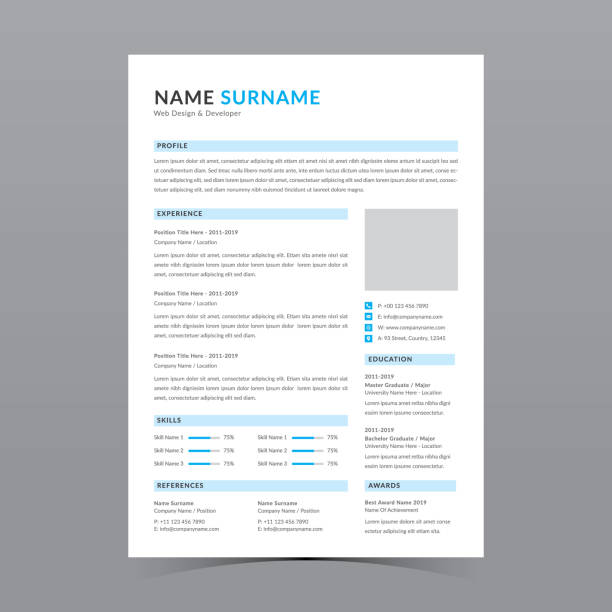
These simple mistakes are causing qualified Kenyans to miss out on interviews every day. Check your CV against this list right now.
Kenyan hiring managers and recruiters review hundreds of CVs for many open positions. In a competitive job market, your CV may only receive a few seconds of attention before a recruiter decides whether to continue reading.
Often, candidates are not rejected because they lack the required qualifications. They are rejected because their CV contains simple, avoidable mistakes that make their experience difficult to understand or fail to demonstrate their value.
Here are ten of the most common CV mistakes Kenyan job seekers make and exactly how to fix them.
1. Using a Generic Objective Statement
One of the most common CV introductions is:
“I am a hardworking, motivated individual seeking a challenging position in a reputable organisation where I can grow and develop my skills.”
The problem is that thousands of candidates use almost exactly the same statement.
It does not tell the employer what you specialise in, what experience you have, or what you can contribute to the organisation.
The Fix
Replace the generic objective with a two to three sentence Professional Summary that is specific to your experience and the role you are targeting.
For example:
“Results-driven Supply Chain Analyst with four years of experience managing procurement for FMCG companies across East Africa. Reduced procurement costs by 18% through supplier renegotiation and improved purchasing processes. Seeking to bring strong procurement and logistics expertise to a senior supply chain role.”
Your opening should answer one important question:
Why should the recruiter keep reading?
2. Listing Responsibilities Instead of Achievements
A common CV statement is:
“Responsible for managing customer accounts.”
But this only tells the recruiter what your job involved. It does not demonstrate how well you performed.
Two people can have exactly the same responsibilities but produce completely different results.
The Fix
Turn responsibilities into achievements.
Instead of:
“Managed customer accounts.”
Write:
“Managed 45 customer accounts and increased average account revenue by 22% over 12 months through proactive upselling and quarterly business reviews.”
Whenever possible, include numbers, percentages, revenue, cost savings, timeframes, volume, or other measurable outcomes.
Your CV should show not only what you were hired to do, but what you accomplished.
3. Making Your CV Too Long
Some job seekers assume that a longer CV demonstrates more experience.
In reality, excessive length can make it harder for recruiters to identify the information that matters.
If you have several years of experience, you may have accumulated many responsibilities, projects, and positions. That does not mean all of them belong on your CV.
The Fix
Aim for:
One page if you have limited professional experience.
Two pages for most experienced professionals.
Senior professionals with extensive and highly relevant experience may require more, but every additional page should have a clear purpose.
Remove outdated or irrelevant positions, reduce repetitive descriptions, and prioritise experience directly related to the job you want.
Your CV is not an autobiography.
It is a marketing document designed to demonstrate your suitability for a specific opportunity.
4. Ignoring Spelling and Grammar
A spelling or grammatical error may seem minor, but it can affect how a recruiter perceives your attention to detail.
This can be particularly important in industries where accuracy and professional communication are essential, including banking, finance, law, administration, consulting, and government.
The Fix
Run your CV through a spell checker such as Microsoft Word or Grammarly, but do not rely on automated tools alone.
Read the document slowly from beginning to end.
Then ask another person to review it.
A fresh pair of eyes can often identify errors you no longer notice because you have become familiar with the document.
Before submitting your CV, check:
Spelling
Grammar
Punctuation
Dates
Job titles
Company names
Phone numbers
Email addresses
Formatting consistency
A polished CV demonstrates attention to detail before you even attend an interview.
5. Using an Unprofessional Email Address
Your email address may seem like a small detail, but it is part of your professional identity.
An address such as:
cutiegirl254@yahoo.com
or:
wanjiku2020@hotmail.com
may create an unnecessarily informal impression.
The Fix
Create a professional email address using your name.
For example:
firstname.lastname@gmail.com
or:
firstnamelastname@gmail.com
If your name is already taken, consider using your middle initial or a simple number.
Your email address does not need to be creative.
Professional and simple is better.
6. Including a Photo Without Considering the Role
Including a passport-style photograph on a CV has traditionally been common in Kenya and may still be requested for certain positions or application processes.
However, for many private-sector and international roles, a photograph is unnecessary.
A photograph does not demonstrate your skills, qualifications, or professional achievements. It can also introduce opportunities for unconscious bias during recruitment.
The Fix
Unless the employer specifically requests a photograph, consider leaving it off your CV.
This is particularly appropriate when applying for corporate, technology, finance, consulting, professional services, and international positions.
If a specific job advertisement requests a photograph, follow the employer's instructions.
Use the available space to showcase information that strengthens your application.
7. Leaving Out Your LinkedIn or Portfolio
Your CV is no longer necessarily the only place an employer will look when evaluating you.
Recruiters may search for your LinkedIn profile to learn more about your experience, professional network, recommendations, and activities.
For certain professions, a portfolio is equally important.
A designer needs to demonstrate their work.
A software developer can showcase projects through GitHub or a personal portfolio.
A writer can provide published work.
The Fix
Create a professional LinkedIn profile and include the link in your CV.
Where relevant, also include:
GitHub
Personal website
Design portfolio
Writing portfolio
Professional publications
Make sure these links actually work and that the information they contain is consistent with your CV.
Your CV should open the door. Your online professional presence can help convince the employer that you are worth interviewing.
8. Listing Basic Computer Skills as Major Skills
Listing skills such as:
Microsoft Word
Microsoft PowerPoint
Internet
does little to differentiate you in today's job market. For most professional positions, basic digital literacy is already expected.
The Fix
Focus your Skills section on tools and technologies that are relevant to your target role.
For example, a finance professional could highlight:
SAP
QuickBooks
Financial modelling
Power BI
Advanced Excel
A data professional could highlight:
SQL
Python
Tableau
Power BI
Data analysis
A marketing professional could highlight:
Google Analytics
Meta Business Suite
HubSpot
SEO
Marketing automation
The goal is not to list every tool you have ever used.
Highlight the skills that are relevant, current, and valuable for the position you want.
9. Sending the Same CV to Every Employer
One of the easiest ways to reduce your chances of being shortlisted is to send exactly the same CV for every job.
A recruiter hiring a Financial Analyst is looking for different evidence from a recruiter hiring a Business Development Manager.
Your experience may be the same, but how you present it should reflect the requirements of the position.
The Fix
Before applying, spend 10 to 15 minutes reviewing the job description.
Identify:
The required skills
The key responsibilities
The preferred qualifications
The important tools or technologies
The terminology used to describe the role
Then adjust your Professional Summary, Skills section, and relevant experience to reflect those requirements where they genuinely match your background.
This is not about falsely changing your experience.
It is about making the most relevant parts of your experience easier for the recruiter to find.
10. Writing “References Available on Request”
The statement:
“References available on request.”
is unnecessary.
Employers understand that you can provide references when requested.
Using valuable CV space to state the obvious does not strengthen your application.
The Fix
Remove the sentence.
Instead, prepare a separate Reference Sheet containing three professional references.
Where appropriate, include:
Full name
Job title
Organisation
Professional relationship to you
Phone number
Email address
Only provide the reference sheet when requested or when the application specifically requires it.
Always ask your references for permission before listing their contact details.
Your CV Should Make the Recruiter's Job Easy
A strong CV is not necessarily the one with the most information.
It is the one that allows a recruiter to quickly understand:
Who you are
What you specialise in
What you have achieved
What skills you bring
Why you are relevant to the position
Before submitting your next application, look at your CV from the recruiter's perspective.
Can they understand your value within a few seconds?
Are your most relevant skills immediately visible?
Do your experience descriptions demonstrate results?
Is the document clean, professional, and easy to read?
If the answer is yes, you have already eliminated many of the common mistakes that cause otherwise qualified candidates to be overlooked.
Your CV does not need to say everything about you. It needs to make the recruiter want to learn more about you.
Related Articles


Ready to apply what you've learned?
Build an ATS-ready CV with AjiraHub's free AI tools.
Build My CV